


Dental Implants
Implantology is an advanced field of dentistry focused on restoring missing teeth using dental implants. Thanks to this modern method, traditional prosthetic solutions such as bridges or dentures are becoming less common. Implants offer not only durability but also aesthetics that closely resemble natural teeth.
At the Aldent Comprehensive Dentistry Center, we are proud to offer you the highest-quality dental implants. In our work, we use only modern and proven implant systems that ensure excellent and predictable treatment outcomes. Your comfort and satisfaction are our top priority, which is why every procedure is carried out with the utmost care and precision.
What is an implant?
Structure of dental implants
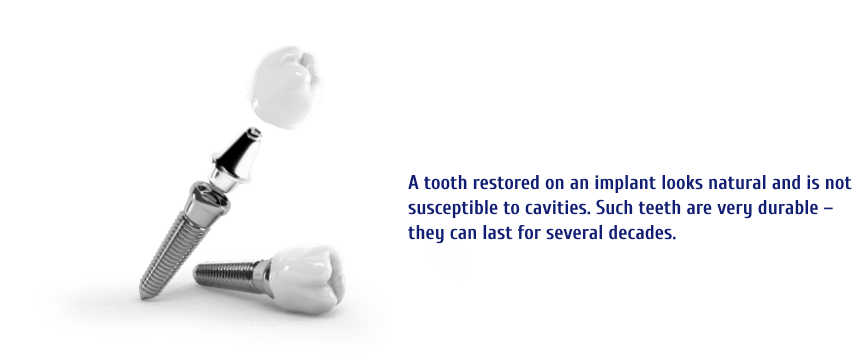
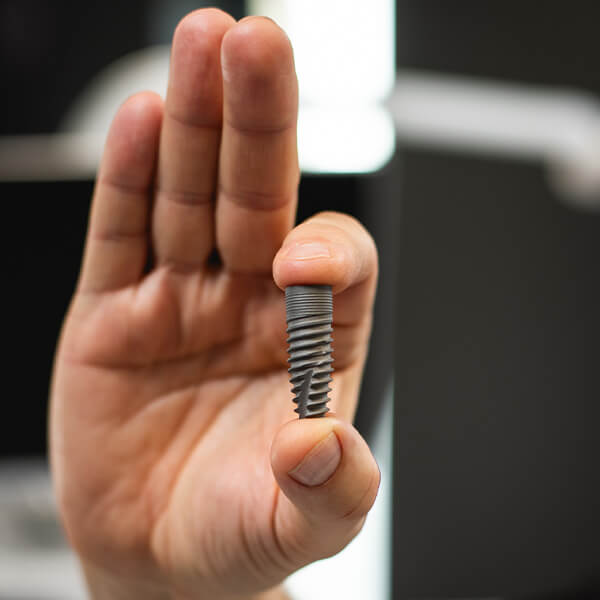
An implant is made entirely of titanium, a biocompatible element that is neutral to the human body. It has the shape of a small screw with a specially treated surface that enables osseointegration (fusion with the bone). Implants are surgically placed into the jawbone or mandible. They function as an artificial tooth root, creating a stable and durable foundation on which a prosthetic crown is attached. After a healing period of 4–6 months, the implant behaves like a natural tooth root. A tooth restored on an implant looks natural and is resistant to decay.
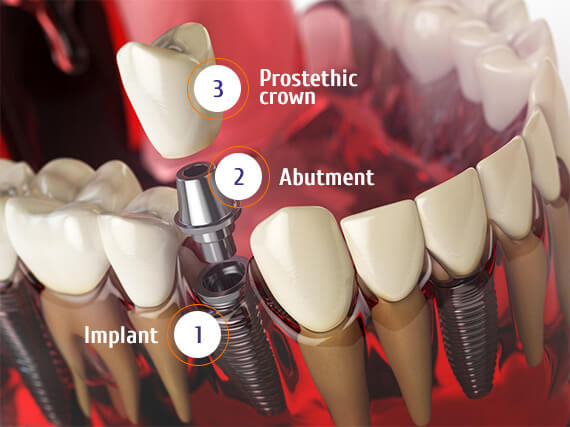
Every implant-based restoration consists of three components. The first is the implant inserted into the bone. The second is the abutment, a small element made of titanium or zirconia. The abutment is attached on one side to the implant, and on the other side, the prosthetic crown is fixed to it – this crown forms the third element of the restoration. Together, the implant, abutment, and crown create a functional unit that is the equivalent of a natural tooth.
Advantages of dental implants
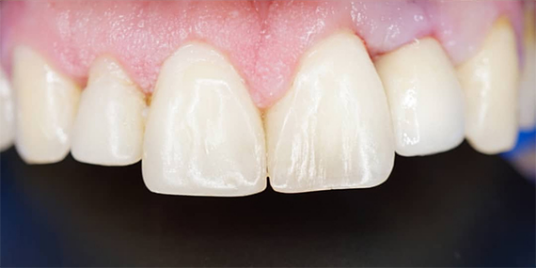
Rebuilding missing teeth with dental implants is the most physiological method of tooth replacement in dentistry. With this approach, both the tooth root and crown are restored, offering strength and durability, while the shape and color are carefully matched to the remaining teeth. The restored tooth looks natural and is resistant to decay.
Dental implants are an excellent solution for patients who have lost a single tooth, several teeth, or even their entire dentition. They restore proper bite function, speech, aesthetics, as well as overall well-being and self-confidence. One of the greatest advantages of implants is their durability – they can last for decades.
Stages of implant treatment at CSK Aldent
During the first visit, we conduct a detailed medical interview and examine the patient’s oral condition. To accurately assess the bone structure and plan the procedure, we perform a 3D CT scan. Once the patient is qualified for the procedure, we carry out professional teeth cleaning. At the end of the visit, the patient receives pre-treatment instructions and we schedule the procedure date.
The implant placement procedure is performed under computer-assisted local anesthesia, ensuring complete painlessness. The duration of the procedure depends on the number of implants placed and usually ranges from 30 minutes to 2 hours. The surgical site is closed with sutures, which are removed after 7–14 days. Dissolvable sutures can also be used. After the procedure, patients receive professional oral care products along with detailed post-operative instructions.
7–14 days after the procedure, we schedule a check-up to assess healing and remove the stitches.
After about 3–6 months, when the implant has fused with the bone, patients return for a follow-up visit. We take an X-ray to check the implant and place a healing cap that shapes the gum for the future crown.
About 1–2 weeks after placing the healing abutment, we take digital prosthetic impressions using an intraoral scanner. These impressions are then sent electronically to our prosthetic laboratory to fabricate a porcelain crown or bridge on the implants.
The prosthetic restoration is ready within 1–2 weeks from the moment the impressions are taken. After delivering the prosthetic work to the patient, regular check-up visits twice a year are recommended.
Details of implant treatment
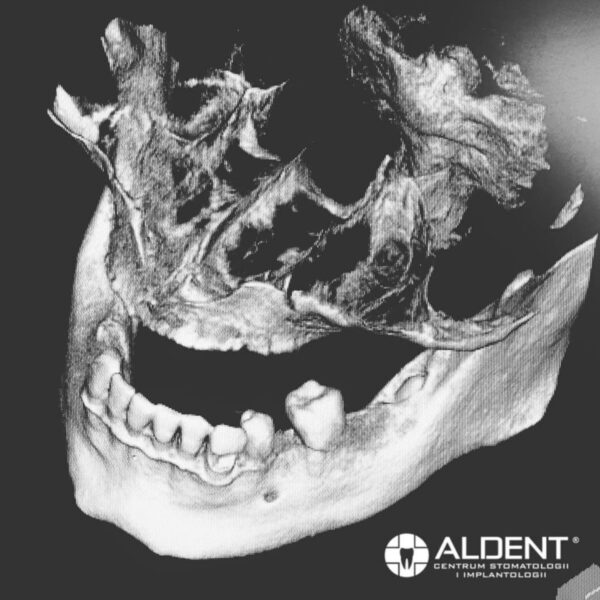
Before qualifying a patient for implant surgery, we conduct a detailed medical history interview. During the first visit, we perform a comprehensive clinical examination of the oral cavity. We assess the condition of the teeth, the presence of cavities, deposits and tartar, the state of the periodontium, the width of the alveolar ridge, and any bone defects. Every implant procedure is preceded by thorough diagnostics using cone-beam computed tomography (CBCT). This examination ensures maximum safety and allows our specialists to make the most of the patient’s bone structure. Dental implants effectively prevent bone loss and stimulate its development by creating physical load, which supports natural bone growth around the implant.
The size, length, and diameter of the implant are individually selected for each patient, depending on the bone conditions and the location where the tooth is to be restored. At CSK Aldent clinics, we care deeply about our patients’ comfort and sense of security. Each patient is treated individually and receives detailed information about the stages and procedures of implant surgery. Patients are provided with answers to all their questions as well as written pre- and post-operative instructions, ensuring full understanding and preparation for the entire process.
Thanks to modern techniques, implant placement is minimally invasive and completely painless, performed under computer-assisted local anesthesia. Implantation can be carried out either in the site of a previously lost tooth or directly in the extraction socket, immediately after tooth removal. Immediate implantation makes use of the natural healing potential of the extraction socket, which accelerates the osseointegration of the implant with the bone.
After the procedure, sutures are placed and should be removed within 7–14 days. There is also the option of using dissolvable sutures, which do not require removal. Following surgery, the patient receives specialist oral care products along with detailed post-operative instructions, including hygiene guidelines, dietary recommendations, and information about follow-up visits.
At CSK Aldent, we also place great emphasis on our patients’ comfort and safety. Each stage of the procedure is thoroughly explained, and patients have the opportunity to ask questions and receive clear answers. This ensures that the entire implantation process is transparent and easy to understand, helping to build trust and increase patient satisfaction with the treatment.
When the patient’s bone structure is not strong enough to proceed with implant placement, we use advanced bone regeneration techniques with bone substitute materials or innovative methods involving growth factors derived from the patient’s own blood. Modern dentistry offers state-of-the-art methods for regenerative treatment of both soft and hard tissues. Significant tissue loss may result from bone destruction caused by inflammation, periodontal disease such as periodontitis, or damage during tooth extraction.
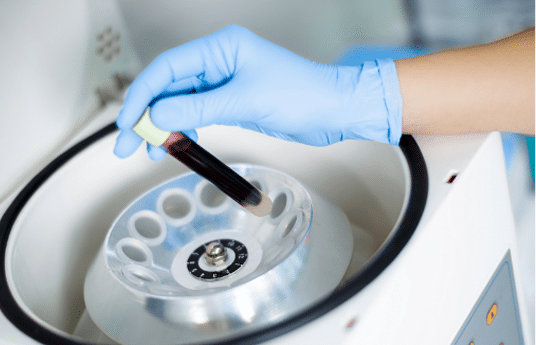
One of the safe and effective methods of bone regeneration is the use of the patient’s own blood. This process involves drawing blood and centrifuging it to obtain platelet-rich fibrin (PRF). PRF, an autologous matrix derived from the patient’s platelet concentrate, stimulates bone growth and soft tissue healing. It is particularly effective in reconstructing tissue structures in anatomically challenging areas of the oral cavity. Rich in leukocytes and proteins essential for angiogenesis, PRF also serves as a source of collagen, elastin, and growth factors that support the formation of new blood vessels and stimulate bone cells.
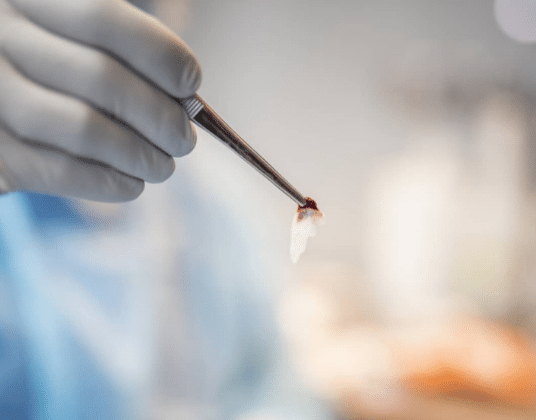
The advantage of this autologous biomaterial is its ability to slowly release platelet-derived growth factors for more than 7 days, resulting in optimal healing and regeneration outcomes while accelerating wound closure. Platelet-rich plasma (PRP) is widely used in surgery and implantology, particularly in augmentation procedures where bone tissue is deficient. Platelet-rich fibrin (PRF), known for its high effectiveness in stimulating bone growth, is also applied in the treatment of periodontitis, sinus lift procedures, soft tissue grafts, regeneration of post-extraction sockets, and in supporting wound healing.
The advancement of modern dentistry makes it possible to successfully treat even the most complex cases, allowing patients to enjoy full oral health and long-lasting results of their treatments.
The healing process of bone tissue and the integration of the implant with the bone is varied and individual for each patient, usually lasting between 3 and 6 months. The duration depends on the patient’s bone conditions and whether additional bone regeneration with substitute materials is required.
After the surgical site has healed, to ensure the patient’s comfort and confidence during the osseointegration period, a temporary crown or temporary bridge is provided. This way, the patient does not experience discomfort related to missing teeth and can function normally in everyday life.
Ensuring patient comfort throughout the entire process is our priority. We provide not only professional treatment but also support and clear information at every stage so that the healing process is smooth and trouble-free. Patients are thoroughly informed about the progress of healing and receive detailed oral care instructions, which further support a quick return to full health.

After the healing period of the implant in the bone, it is uncovered and a healing abutment is placed. This abutment helps the mucosa heal around the implant and shapes the gum for the future prosthetic crown. The final stage of implant treatment is the prosthetic restoration, which may take the form of a crown, bridge, or implant-supported denture. The prosthetic phase usually requires 2–3 visits.
The restoration process consists of three key components. The first step is the placement of the implant in the bone, which provides a stable foundation for reconstruction. The second step is the placement of the abutment – a small but essential element made of titanium or zirconia that connects the implant with the prosthetic crown. The final step is the placement of the crown itself, which looks and functions like a natural tooth. This three-part structure creates a functional and aesthetic whole that restores not only the smile but also the patient’s comfort.
Dental implants are the most modern and physiological method of replacing missing teeth. They allow for the restoration of both the tooth root and crown, ensuring exceptional strength and durability. With the precise adjustment of shape and color, implant-supported teeth look extremely natural and are resistant to decay. This solution is ideal for patients who have lost a single tooth, several teeth, or even their entire dentition.


The use of dental implants offers numerous benefits, restoring full bite function, improving speech articulation, and enhancing the aesthetics of the smile. In addition, implants have a significant positive impact on patients’ overall well-being and self-confidence. Thanks to their high durability, implants can last for many decades. It is also important to note that the loss of even a single tooth can lead to serious consequences such as bone resorption or the shifting of adjacent teeth, which is why quick and effective restoration is so important.
At CSK Aldent, we provide professional care at every stage of implant treatment. Our priority is the comfort and satisfaction of our patients. By using modern technologies and an individualized approach to each case, implant-based tooth restoration is not only effective but also durable and safe. By choosing our services, patients can be confident that their smile will be not only beautiful but also healthy and functional for many years to come.
Why replace missing teeth?
The consequences of tooth loss may seem harmless at first, but over time a number of issues can appear, such as:
- Jawbone resorption – giving the face a prematurely aged appearance,
- An unattractive smile,
- Lack of proper tooth contact, leading to problems with bite alignment and food chewing,
- Tilting of adjacent teeth as they shift to close the gap left by the missing tooth,
- Overeruption of opposing teeth as they seek contact with the missing tooth,
- Faster wear of the front teeth,
- Changes in the temporomandibular joints (TMJ).
Implant-supported restorations not only replace missing teeth but also prevent all of the above consequences. They effectively prevent bone loss and stimulate its regeneration. The implant provides physical loading, which in turn supports the natural growth of bone around it.
Would you like to schedule an appointment?
Smile transformations
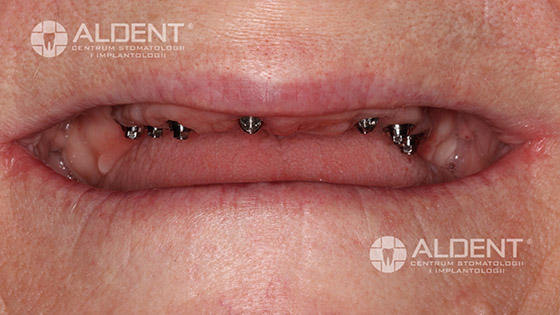
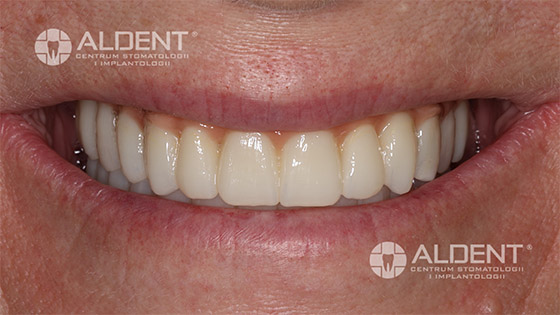
Complete dental reconstruction in a patient with total edentulism
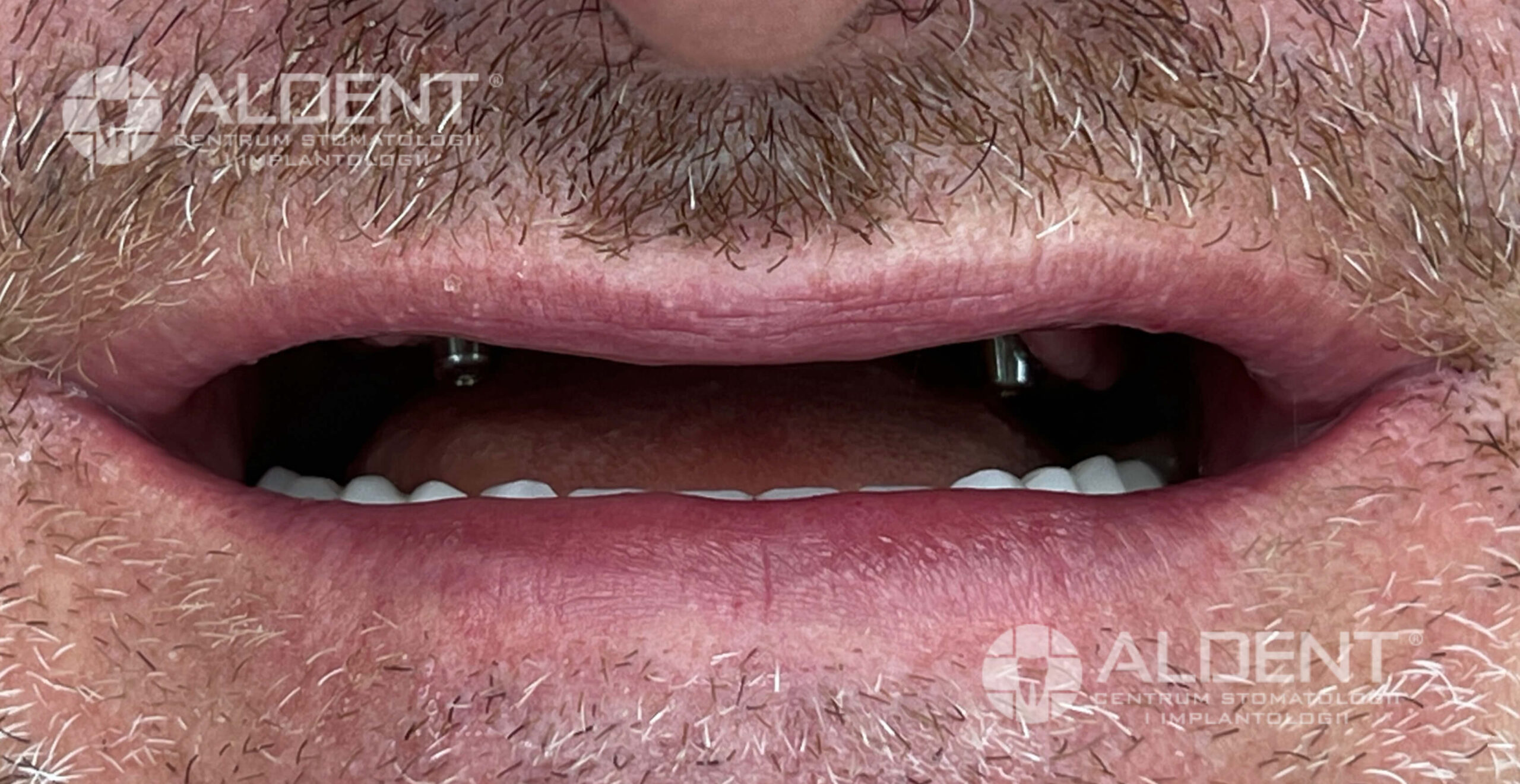
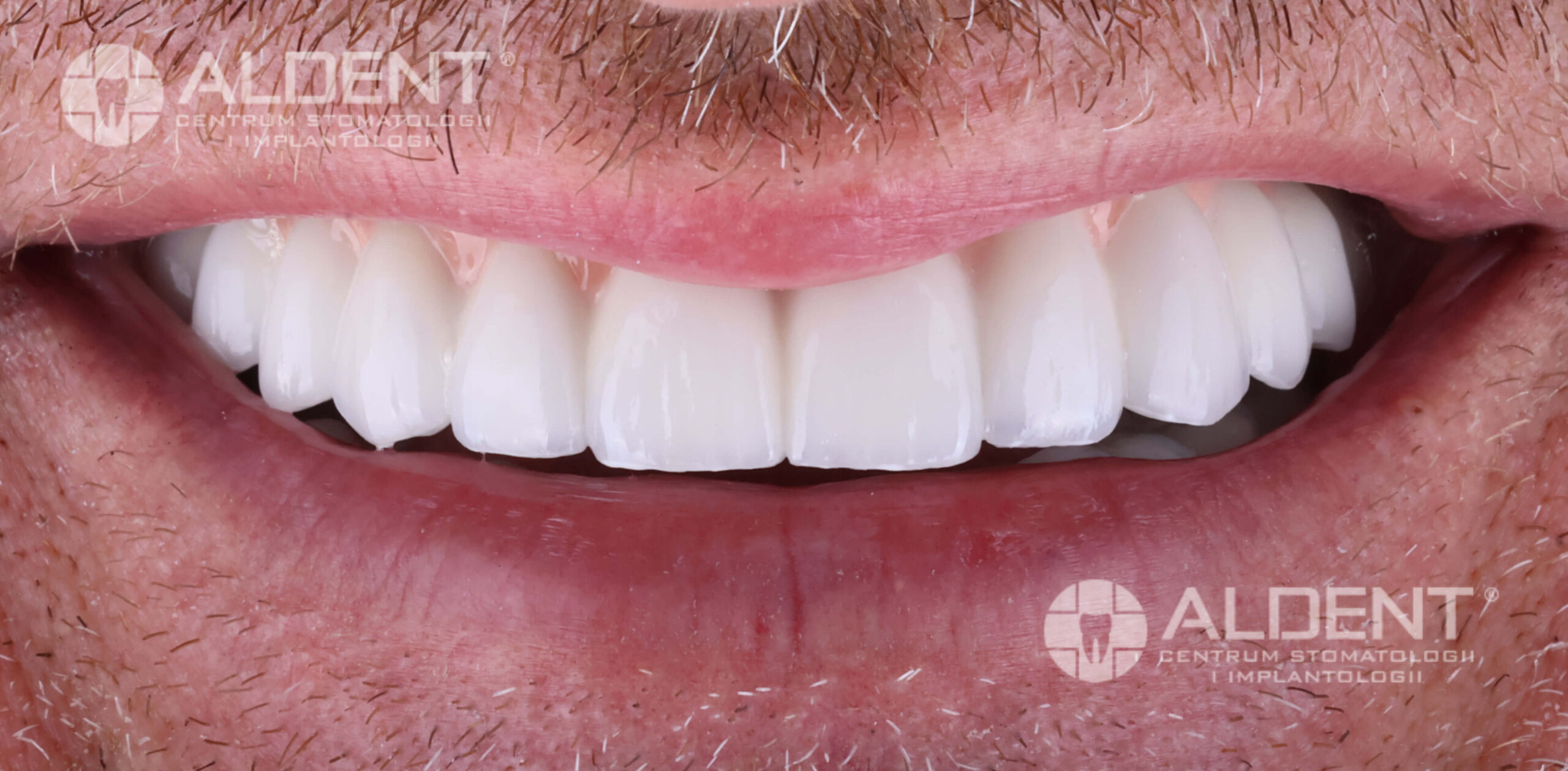
Implant procedure using zygomatic implants with the All-on-4® method
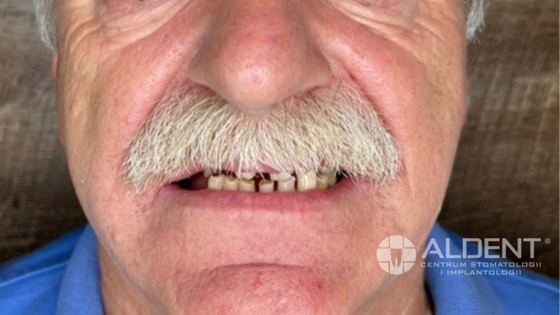
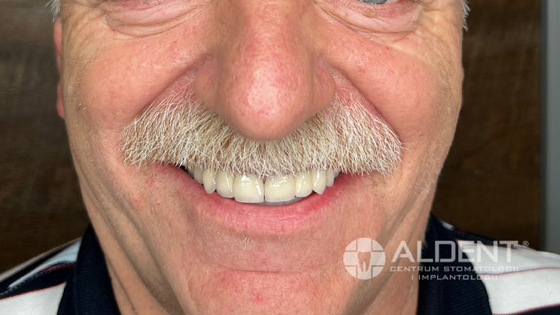
A complete smile transformation in less than a week
FAQ
What are the indications for dental implants?
Dental implants are recommended in cases such as single or multiple missing teeth, complete tooth loss, missing permanent tooth buds, tooth loss due to trauma or disease, advanced periodontitis, or when patients prefer not to use removable dentures. Professional implantology at our clinic ensures durable and aesthetic replacement of missing teeth.
How should I care for dental implants?
How should I prepare for an implant consultation?
Is dental implant surgery performed under general anesthesia?
Are implants for life?
Can implants be placed when there is insufficient bone?
What does the implant procedure involve?
I already have an implant – what’s next?
Is implant surgery painful?
What are the recommendations after implant surgery?
What is the cost of a dental implant?
How long does implant surgery take?
Can I have the All-on-4 or All-on-6 procedure done at CSK ALDENT?
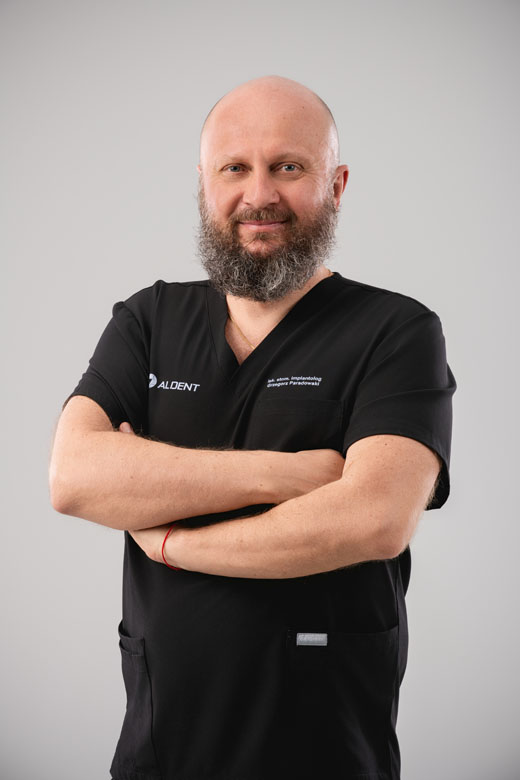
Implantology
Oral surgery
Implant prosthetics
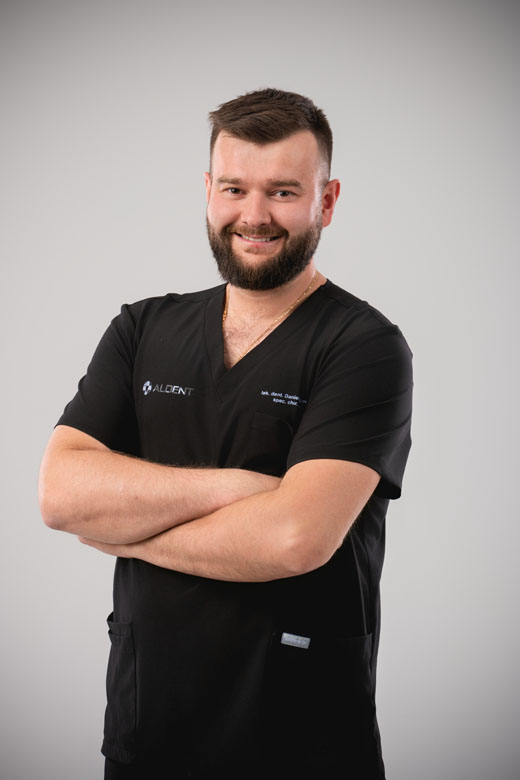
Specialist in oral surgery
Implantology
Creator of the All-on-4® method
Implantology